
When making arrangements for someone they love, many Singapore families ask a sincere question: do we actually need an ancestral tablet? It is a thoughtful thing to wonder, and there is no one-size-fits-all answer. An ancestral tablet is not a legal requirement — it is a cultural and spiritual choice. Here, we look calmly at what an ancestral tablet means, the tradition of filial piety it carries, and how a family can decide what is right for them.
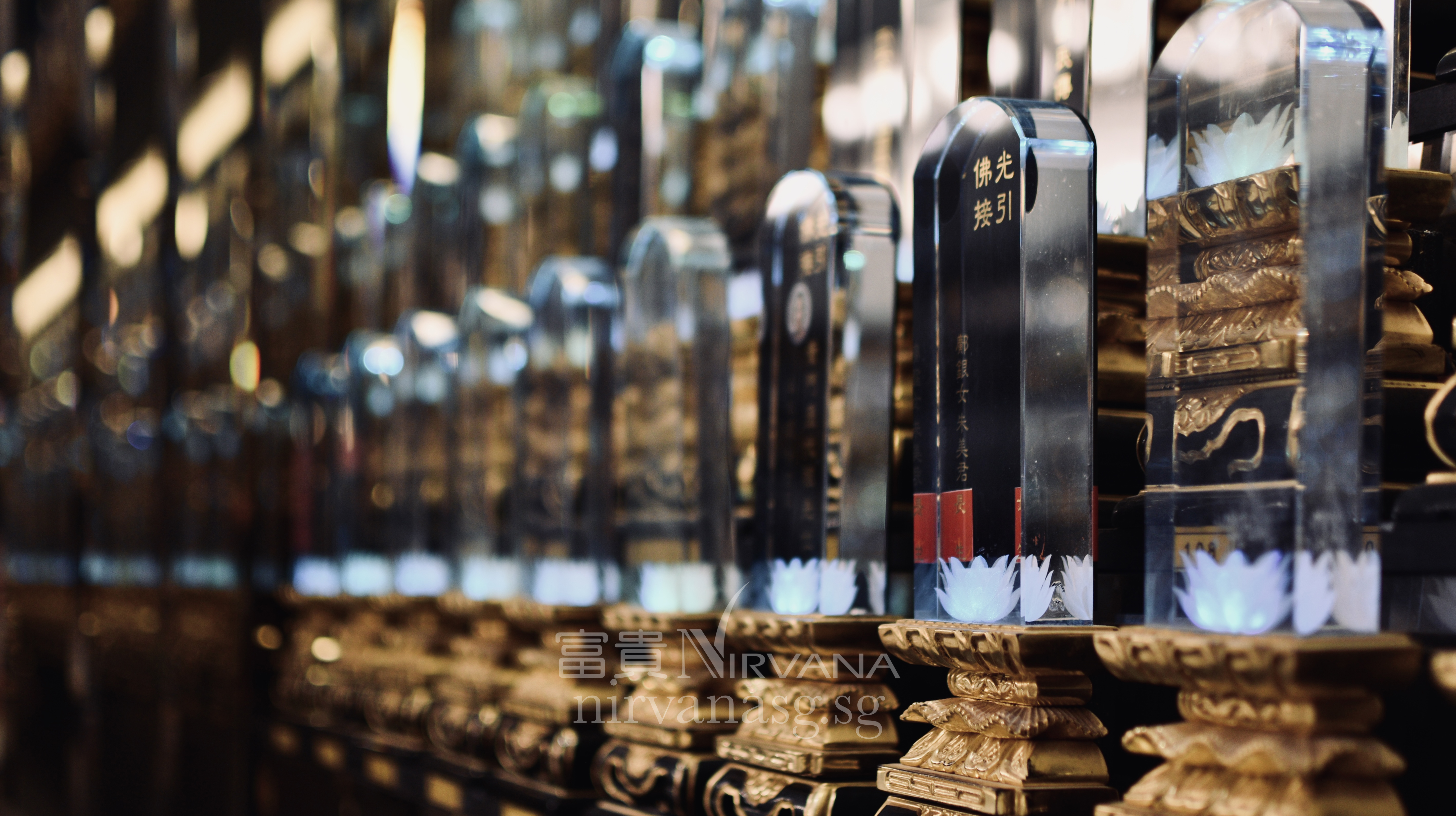
What Is an Ancestral Tablet?
An ancestral tablet — also known as a spirit tablet or memorial tablet — is a plaque inscribed with the name of the deceased, representing the presence of an ancestor. It gives a family a fixed, dignified place for their remembrance: somewhere to pause, offer incense, reflect, and feel connected to those who have passed.
The Purpose and Origins of Ancestral Tablets
The tradition of the ancestral tablet is rooted deeply in filial piety — the love and respect for one's parents and ancestors that lies at the heart of Chinese culture. It grows from the practice of honouring ancestors: departed parents become forebears worthy of remembrance, and the family continues that bond through prayers on ordinary days and during festivals.
During Qing Ming especially, families present offerings — often the ancestor's favourite foods — and offer joss sticks, while gently teaching younger generations the meaning of respect and gratitude toward those who came before.
Is an Ancestral Tablet Necessary?
Honestly: no. Having an ancestral tablet is not required by any law or rule, and families are free to decide for themselves. For some, it is an important way to continue tradition and express filial devotion. For others, remembrance may take a different form. Both choices are equally worthy of respect.
It may help to see it this way: an ancestral tablet is not an obligation but an invitation — an invitation to give your family a place to hold their remembrance and pass it down through the years. Whether to accept that invitation depends on your family's beliefs, traditions, and wishes.
Why Many Families Still Choose One
Even though it is not required, many Singapore families still choose an ancestral tablet, often for reasons like these:
- A fixed place for remembrance — somewhere to offer respects during Qing Ming and on ordinary days
- An expression of filial piety — honouring parents and ancestors through a caring act
- A way to pass traditions on — helping children know, remember, and respect their forebears
- Comfort — giving living family a sense of continuity and peace
Ancestral Tablets in Modern Singapore
In land-scarce Singapore, more and more families choose to place ancestral tablets at a temple or columbarium rather than a home altar. This is especially common where living space is limited, or where younger family members find it harder to keep up daily morning-and-evening rituals.
A tablet placed at a temple is cared for within a peaceful, dignified setting, and the family can visit whenever they wish. For many, this keeps the warmth of tradition while fitting the rhythm of modern life.
Choosing an Ancestral Tablet at Nirvana
If your family decides to have an ancestral tablet, Nirvana offers gentle, patient guidance. Lin San Temple (灵山寺) — our newly rebuilt, fully air-conditioned Buddhist temple in Geylang — offers freehold ancestral tablets and niches for lasting peace of mind, and ancestral tablets are also available across Nirvana Memorial Garden's halls, all as part of a one-stop memorial service.
You can learn more about our ancestral tablets, or explore the freehold options at Lin San Temple.
If Your Family Decides Against One
Choosing not to have a tablet takes nothing away from a family's devotion. Many carry the memory in other ways: a photograph at home, a meal together each year on the anniversary, a family book recording names and lives, or a line inscribed on the panel of a niche.
Some families keep the rites but not the daily observance, arranging chanting and blessings once a year at Qing Ming or on the anniversary. The tradition is kept in form without the daily responsibility — a common choice where the younger generation is scattered across different countries.
What matters more is that the family says it out loud: who will remember, and in what way. Having that conversation usually counts for more than whether a tablet is set up at all.
Common Questions About Ancestral Tablets
Can a tablet be set up years later?
Yes. Nothing requires it to be done right after the funeral. Plenty of families decide years later — prompted by an elder's wish or a child starting a family of their own — and it is no less proper for the delay.
Must the eldest son arrange it?
Tradition points to the eldest son, but families today arrange it far more flexibly. A daughter taking it on, or several children doing it together, is common and entirely proper.
Do we need to offer incense daily?
A tablet enshrined in a memorial hall is cleaned and tended by the grounds, so daily attendance is not required. Most families come at Qing Ming, on the anniversary, and at major festivals — and whenever else they wish.
Can we keep one at home and one in the hall?
Yes, and many families do exactly this: a simple tablet or photograph at home for everyday remembrance, with the one in the hall carrying the long-term care and the festival rites. The two do not conflict.
Talk It Through with Us
Whether to have an ancestral tablet is a personal and meaningful decision, and it should never feel pressured. If you would like someone to listen patiently, explain the traditions, and help you weigh what suits your family, do reach out to us for an unhurried, no-obligation conversation.